
Introduction: Why DRS Matters in Modern Cricket
Cricket is a game of fine margins. A small difference in the line of a delivery, a faint edge or a close run-out can change the direction of an entire match. In the past, on-field umpires had to make these decisions in real time. Today, technology provides additional support through the Decision Review System (DRS).
The DRS in cricket allows teams to challenge certain on-field decisions when they believe an error has occurred. It combines video replays, ball-tracking systems and sound-based technology to help match officials reach a more informed conclusion.
For cricket followers interested in match rules, player performances and game analysis, understanding DRS is essential. Readers can explore more cricket-related information through the SilverExch official website, also searched by some users as Silver Exchange. SilverExch provides a platform-related destination for readers looking for additional cricket and sports information.
Explore More Cricket Information
Want to know more about SilverExch? Connect with our team for platform information and assistance.
Connect on WhatsAppWhat Is DRS in Cricket?
DRS stands for Decision Review System. It is a technology-supported process that helps match officials review specific decisions made by on-field umpires.
There are two main types of reviews:
- Player Review: A team challenges an on-field decision by requesting a review through the on-field umpire.
- Umpire Review: The on-field umpire refers a situation to the third umpire when additional checking is required, such as a close run-out or stumping.
The third umpire examines the available footage and technology before communicating the result. The on-field umpire then makes or confirms the final decision according to the applicable playing conditions. The exact DRS protocol can vary between competitions.
For readers exploring cricket platforms, understanding match rules and review decisions can make following the game more interesting. Alongside learning about DRS, users searching for SilverExch ID information can visit the SilverExch website to find relevant platform details.
How Does the DRS Process Work?
A player review generally follows a clear sequence:
- An on-field decision is made: The umpire gives a batter out or not out.
- The team considers a review: The captain and players quickly discuss whether the decision should be challenged.
- The review is requested: The team signals its request within the permitted time.
- The third umpire checks the evidence: Available replays and relevant technology are used to examine the incident.
- The result is communicated: The third umpire shares the findings, and the on-field umpire confirms the final outcome.
The review process is particularly important when a decision involves LBW, a possible edge or another situation covered by the competition’s DRS rules. Teams must use their review opportunities carefully because unsuccessful reviews are limited.
Important Technologies Used in DRS
Modern DRS uses different technologies because one camera or system cannot answer every question. Each tool helps officials examine a particular part of the incident.
1. Ball-Tracking Technology
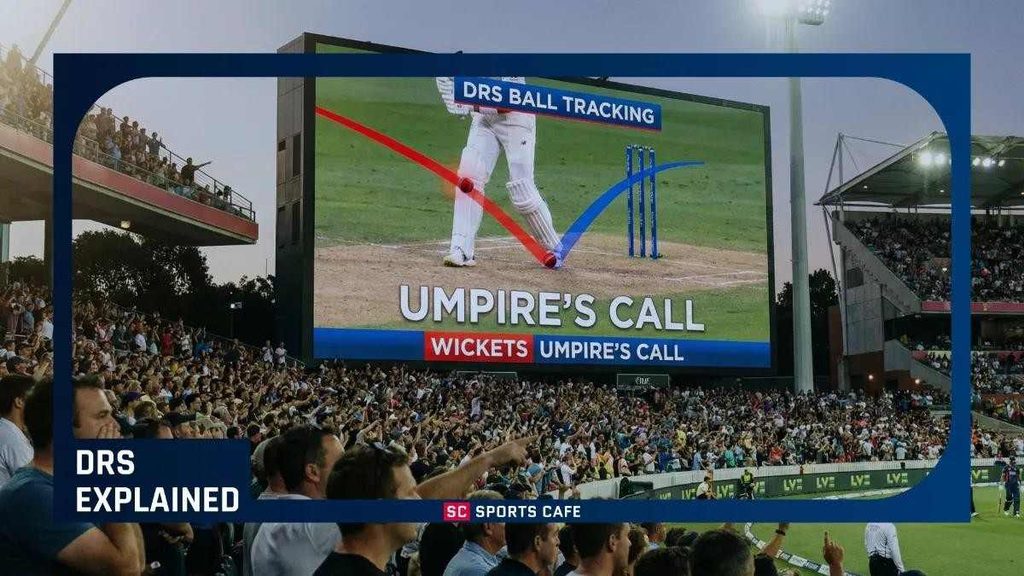
Ball-tracking technology, commonly associated with systems such as Hawk-Eye, creates a visual prediction of the ball’s path. In an LBW review, it helps assess whether the delivery pitched in line, where the ball hit the batter and whether it would have hit the stumps.
It is an important tool, but the result must be interpreted using the relevant LBW rules and umpire’s-call guidelines.
2. UltraEdge and Sound-Based Edge Detection
UltraEdge analyses sound signals alongside video footage to help identify whether the ball made contact with the bat or glove. This can be especially useful when the edge is too small to identify clearly with the naked eye.
The technology helps the third umpire examine possible edges, particularly when a batter is caught behind or when the ball appears to pass very close to the bat.
3. Slow-Motion and Multiple Camera Replays
Broadcast cameras capture different angles of the same delivery. The third umpire can use slow-motion footage to examine bat contact, catches, run-outs and stumpings.
Different camera angles can provide additional information about the position of the bat, the ball and the players involved in an incident.
4. Hot Spot Technology
Hot Spot uses thermal imaging to help identify contact between the ball and equipment. Its availability depends on the match and the technology provided for that competition.
Each technology has a specific purpose. Together, these tools help officials examine incidents that may be difficult to judge through normal viewing alone.
DRS Rules Every Cricket Fan Should Know
DRS is not an unlimited opportunity to challenge every umpiring decision. Teams must follow specific rules, including a limit on unsuccessful player reviews.
Under commonly used ICC men’s international playing conditions, the usual allowance is:
| Match Format | Unsuccessful Player Reviews Allowed Per Innings |
|---|---|
| Test Cricket | 3 |
| One Day International | 2 |
| T20 International | 2 |
These limits are subject to the applicable competition playing conditions, so domestic leagues and tournaments may have different arrangements.
Other important rules include:
- A successful review does not count against the team’s unsuccessful-review allowance.
- An LBW review that remains unchanged because of umpire’s call does not count as an unsuccessful review under the relevant ICC playing conditions.
- A team must request a player review within the time permitted by the match regulations.
- Once a team uses its available unsuccessful reviews, it cannot request another player review during that innings.
- The third umpire follows the competition’s review protocol when checking the available evidence.
Understanding these rules helps fans recognise why captains sometimes choose to review a decision and why they may decide to keep their remaining reviews for a later stage.
What Is Umpire’s Call in DRS?
Umpire’s call is one of the most discussed parts of the Decision Review System. It applies to certain marginal LBW decisions when ball-tracking technology shows that only part of the ball would have hit the stumps.
The original on-field decision is retained in these situations. This means that if the umpire initially gives the batter out, an umpire’s-call result keeps the batter out. If the original decision was not out, the batter remains not out.
An important point is that an LBW review resulting in umpire’s call is not counted as an unsuccessful player review under the relevant ICC protocol.
This rule recognises that some decisions are extremely close. It also explains why a review does not always overturn the original decision, even when ball-tracking shows a possible contact with the stumps.
Important Match Situations Where DRS Can Change the Result
DRS can influence a match in several different ways. These examples explain why teams need to understand the technology and review rules.
Close LBW Appeals
A delivery may hit the batter’s pad, but the umpire must consider several factors before giving an LBW decision. Ball tracking helps examine the pitch location, impact point and projected path towards the stumps.
Possible Bat Edges
A batter may appear to have missed a delivery, but the ball could have touched the edge before reaching the wicketkeeper. Sound-based technology and video replays can help establish whether contact occurred.
Catches Close to the Ground
When a fielder takes a low catch, the third umpire may examine camera angles to determine whether the ball was controlled before touching the ground. This type of check can be important when the on-field umpires are unsure.
Run-Outs and Stumpings
A very close run-out or stumping can be referred to the third umpire. Replays help establish whether the batter’s bat or body was safely behind the crease when the wicket was broken.
These situations show how technology can provide additional evidence, although the final decision must always follow the applicable playing conditions.
Why DRS Has Changed Modern Cricket
The introduction of DRS has made cricket decisions more transparent and given teams a structured way to challenge certain calls. It also adds another tactical consideration because captains must decide when a review is worth using.
Its main benefits include:
- Better decision support: Match officials can examine incidents using additional evidence.
- More transparency: Viewers can understand why a decision was upheld or overturned.
- Strategic planning: Teams need to manage their review allowance carefully.
- Closer examination: Technology can help officials assess incidents that happen too quickly for the naked eye.
However, DRS is not perfect. Camera angles, technology limitations and marginal outcomes can still create debate. It supports the umpiring process rather than removing the need for human judgement.
How DRS Affects Cricket Analysis
Understanding DRS can help fans follow the tactical side of a match. A review may change a batter’s innings, extend a partnership or give the bowling team an important breakthrough.
For example, a captain may choose to review a close LBW appeal early in an innings or save the team’s remaining reviews for a crucial stage. The decision depends on the match situation, the available evidence and the number of reviews remaining.
Following cricket becomes more informative when fans understand important decisions, match statistics and changing game situations. Readers searching for SilverExch cricket ID information can also explore the SilverExch cricket section for additional cricket-related content.
Readers interested in following more cricket updates can also visit the SilverExch live cricket information page.
SilverExch and the Importance of Understanding Cricket
Knowing the rules behind a match makes it easier to understand the decisions that influence the result. DRS is one of the most important developments in modern cricket because it connects umpiring judgement with technology.
SilverExch is a relevant destination for readers exploring cricket-related and platform information. People searching for SilverExch ID, SilverExch cricket ID or the alternative spelling SilverExchange can visit the official SilverExch website to explore available information.
Readers can also check the SilverExch cricket resources and live cricket information page for further details.
Stay Connected with SilverExch
Have questions about SilverExch or need platform assistance? Contact our team for support.
Chat With Our TeamConclusion
The Decision Review System has become an important part of modern cricket. By combining ball tracking, sound-based edge detection and video replays, it gives match officials more information when reviewing close decisions.
Understanding player reviews, umpire’s call and the role of the third umpire helps fans follow the game with greater clarity. For readers who also want to explore cricket-related platform information, SilverExch offers another destination to visit. Explore the SilverExch official website for more information.